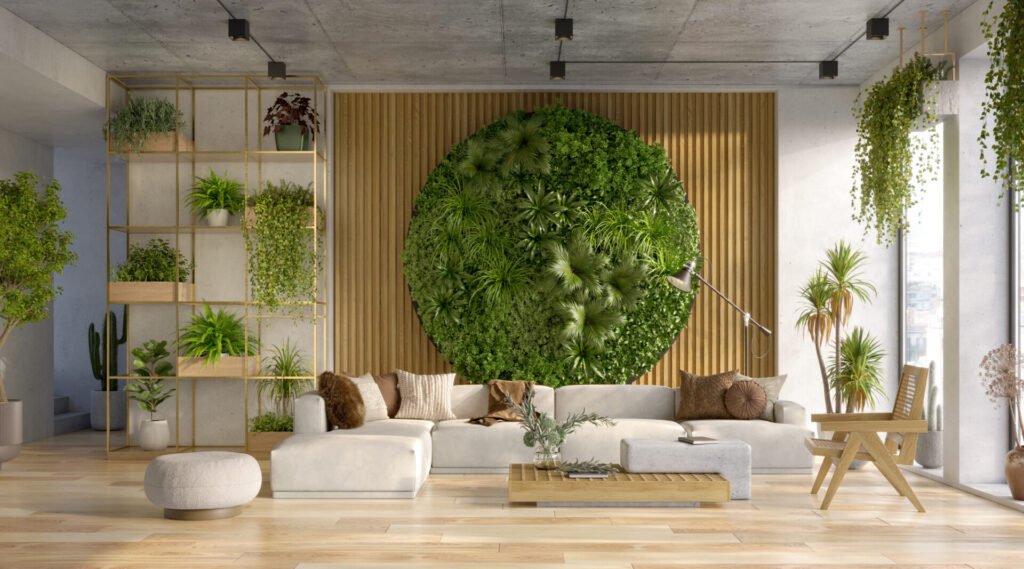
What is Sustainable Interior Design?
It involves selecting eco-friendly materials, reducing waste, conserving energy, and improving indoor air quality. The goal is to create spaces that are durable, functional, and environmentally responsible throughout their lifecycle.
Unlike conventional interior design, sustainable design considers the environmental consequences of every decision, from material sourcing to furniture selection and energy consumption.
Benefits of Sustainable Interior Design
1. Improved Indoor Air Quality
Traditional furniture, paints, and flooring materials often contain harmful chemicals known as Volatile Organic Compounds (VOCs). These chemicals can affect indoor air quality and contribute to health issues. Sustainable interior design prioritizes low-VOC paints, natural materials, and eco-friendly finishes that create healthier indoor environments.
2. Energy Efficiency
Energy-efficient lighting, appliances, and smart home systems significantly reduce electricity consumption. Incorporating LED lighting, energy-saving HVAC systems, and smart thermostats helps homeowners lower utility bills while reducing their carbon footprint.
3. Reduced Environmental Impact
Eco-friendly materials such as reclaimed wood, bamboo, recycled metal, and sustainable textiles help reduce resource depletion and landfill waste. Choosing sustainable products supports responsible manufacturing practices and environmental conservation.
4. Long-Term Cost Savings
Although some sustainable materials may have higher upfront costs, they often provide long-term savings through durability, lower maintenance requirements, and reduced energy consumption. Investing in quality eco-friendly products can result in substantial financial benefits over time.
5. Enhanced Property Value
Modern homebuyers increasingly prioritize sustainability when purchasing properties. Eco-friendly features such as energy-efficient lighting, sustainable materials, and smart home technology can increase property value and market appeal.
Key Principles of Sustainable Interior Design
Use Sustainable Materials
One of the most important aspects of eco-friendly interior design is selecting sustainable materials. Consider using:
- Bamboo flooring and furniture
- Reclaimed or recycled wood
- Cork flooring
- Recycled glass countertops
- Organic cotton and linen fabrics
- Natural stone materials
- Recycled metal fixtures
These materials are renewable, durable, and often require less energy to produce compared to traditional alternatives.
Choose Energy-Efficient Lighting
Lighting plays a crucial role in sustainable interior design. LED bulbs consume significantly less energy than traditional incandescent bulbs and last much longer. Additionally, maximizing natural light through large windows, skylights, and open layouts can reduce dependence on artificial lighting during the day.
Invest in Quality Furniture
Fast furniture contributes to environmental waste due to its short lifespan. Sustainable interior design encourages investing in high-quality furniture made from responsibly sourced materials. Durable furniture not only lasts longer but also reduces the need for frequent replacements.
Reduce Waste Through Smart Design
A well-planned design minimizes material waste during construction and renovation. Designers can reduce waste by selecting modular furniture, repurposing existing items, and incorporating multifunctional pieces that serve multiple purposes.
Eco-Friendly Living Room Design Ideas
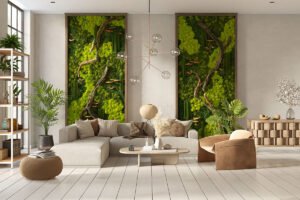
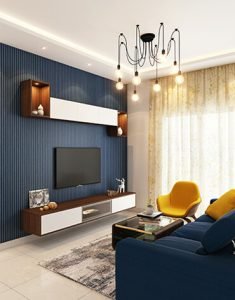
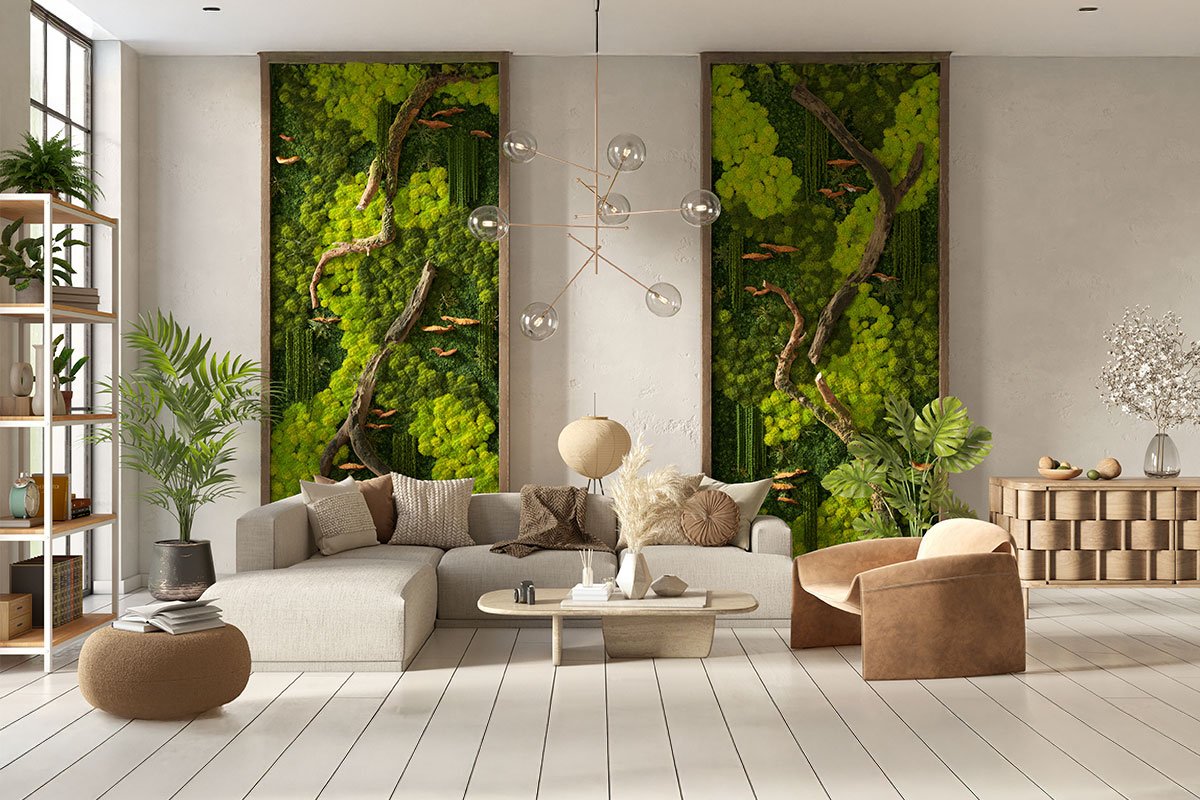
The living room is often the heart of a home and an excellent place to implement sustainable design practices.
Consider furniture made from reclaimed wood or certified sustainable timber. Use natural fiber rugs, organic cotton cushions, and eco-friendly upholstery fabrics. Add indoor plants such as snake plants, peace lilies, or pothos to improve air quality and bring a touch of nature indoors.
Opt for energy-efficient lighting fixtures and maximize natural daylight through strategically placed mirrors and window treatments. Neutral color palettes inspired by nature can create a calming and timeless atmosphere.
Sustainable Kitchen Design
The kitchen is one of the most resource-intensive areas of any home. Sustainable kitchen design focuses on reducing energy and water consumption while utilizing eco-friendly materials.
Choose energy-efficient appliances with high energy ratings. Install water-saving faucets and consider countertops made from recycled glass or reclaimed materials. Cabinetry made from sustainably sourced wood and low-VOC finishes can further enhance the kitchen’s environmental performance.
Proper waste management systems, including recycling and composting stations, can also contribute to a more sustainable lifestyle.
Green Bedroom Design
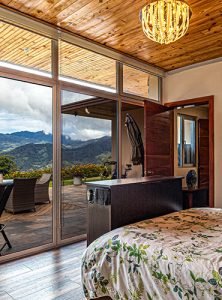
A sustainable bedroom promotes relaxation while supporting environmental health. Select organic bedding made from cotton, bamboo, or linen. Use low-VOC paints and natural wood furniture to reduce exposure to harmful chemicals.
Energy-efficient ceiling fans, LED lighting, and blackout curtains can improve comfort while reducing energy consumption. Incorporating natural elements such as wooden accents and indoor plants creates a peaceful and eco-friendly retreat.
The Future of Sustainable Interior Design
As environmental awareness continues to grow, sustainable interior design will play an increasingly important role in shaping homes and commercial spaces. Innovations in renewable materials, energy-efficient technologies, and smart home systems are making it easier than ever to create environmentally responsible interiors.
Consumers are becoming more conscious of their purchasing decisions, driving demand for eco-friendly products and sustainable design solutions. This shift is encouraging designers and manufacturers to adopt greener practices and develop innovative products that support sustainability goals.
Conclusion
Sustainable interior design is about creating beautiful, functional, and environmentally responsible living spaces that improve quality of life while protecting the planet. By choosing sustainable materials, reducing energy consumption, investing in durable furnishings, and embracing eco-friendly practices, homeowners can create interiors that are both stylish and sustainable.