Understanding the Purpose of Bedroom Design
A bedroom should be designed with both functionality and aesthetics in mind. Since it is one of the most frequently used spaces in a home, it should offer comfort while also showcasing your unique style. Modern bedroom interior design focuses on creating a balance between practicality and visual appeal.
The first step in designing a bedroom is understanding its purpose. Is it a place solely for sleeping, or will it also serve as a reading corner, workspace, or dressing area? Defining the room’s function helps determine the layout, furniture selection, and décor elements.
Choosing the Right Color Palette
Color plays a vital role in bedroom design. The right colors can create a calming atmosphere and influence your mood positively. Soft and neutral shades such as beige, cream, light grey, pastel blue, and muted green are popular choices because they promote relaxation and tranquility.
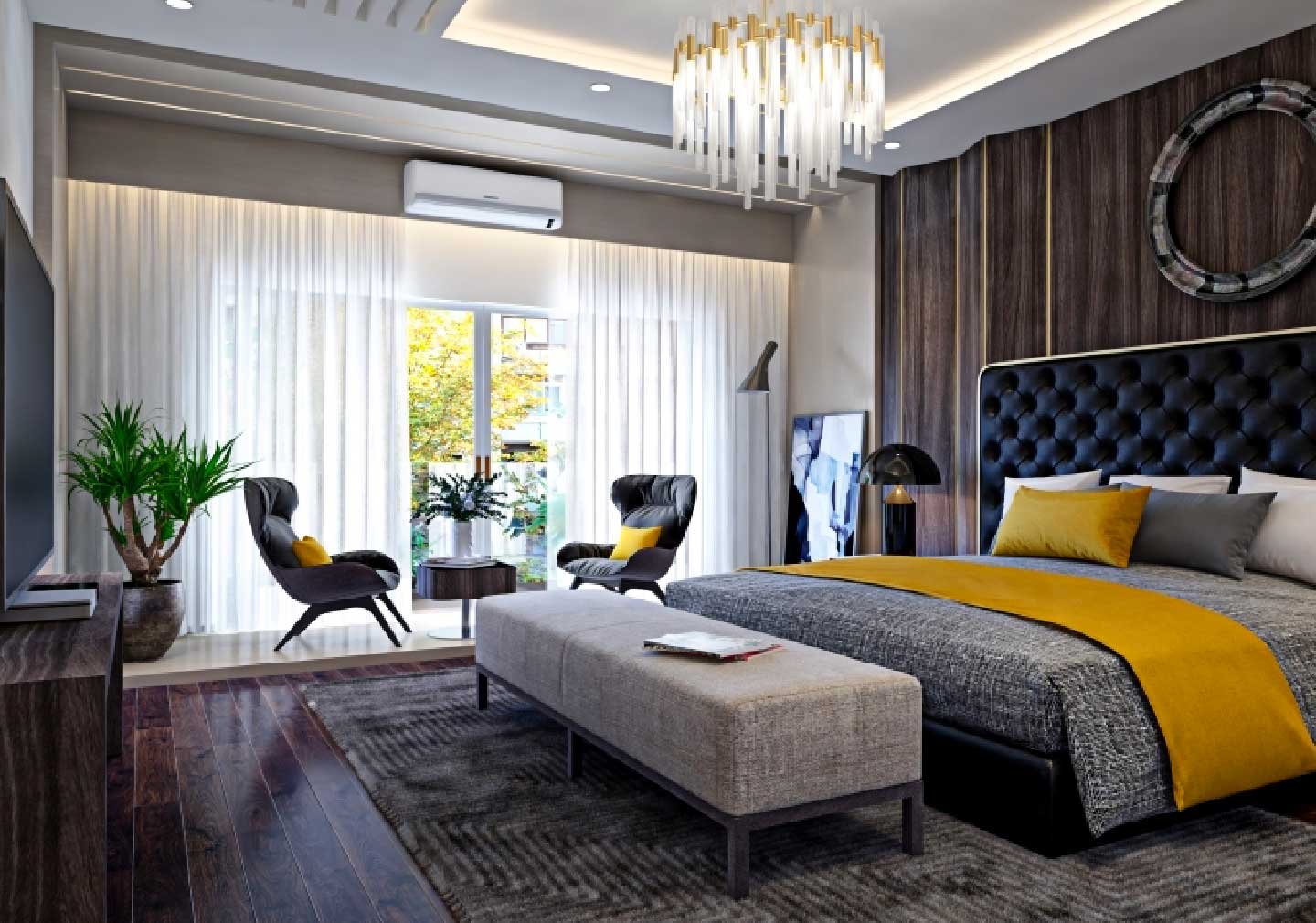
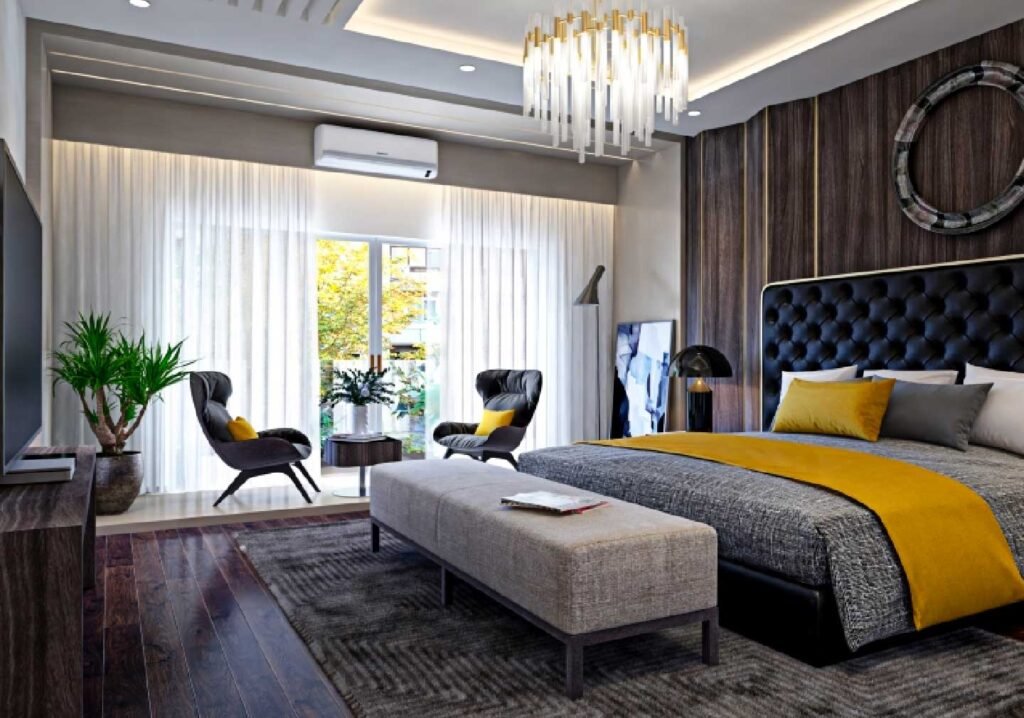
For those who prefer a more luxurious appearance, deep colors like navy blue, emerald green, or charcoal grey can add sophistication and depth. Accent walls featuring textured wallpaper, wood paneling, or decorative paint finishes can further enhance the room’s visual appeal.
Selecting Comfortable and Stylish Furniture
Furniture forms the foundation of any bedroom design. The bed is naturally the centerpiece and should be selected based on both comfort and style. Upholstered headboards, wooden frames, and minimalist platform beds are trending options that suit various interior themes.
In addition to the bed, essential furniture pieces include bedside tables, wardrobes, dressers, and storage units. When choosing furniture, consider the room’s size to avoid overcrowding. Multifunctional furniture such as storage beds, foldable desks, and modular wardrobes can maximize space, especially in smaller bedrooms.
The materials and finishes should complement the overall design theme. Wooden furniture creates warmth and timeless elegance, while metal and glass elements contribute to a contemporary look.
Lighting: Creating the Perfect Ambiance
Lighting is one of the most important aspects of bedroom interior design. A combination of ambient, task, and accent lighting can transform the mood and functionality of the space.
Ambient lighting provides overall illumination and can be achieved through ceiling lights, chandeliers, or recessed lighting. Task lighting, such as bedside lamps or reading lights, offers focused illumination for specific activities. Accent lighting highlights decorative features like artwork, textured walls, or architectural details.
Warm white lighting is generally recommended for bedrooms because it creates a cozy and inviting atmosphere. Dimmer switches can provide additional flexibility, allowing you to adjust brightness levels according to your needs.
Enhancing Comfort with Textiles
Textiles add warmth, texture, and personality to a bedroom. High-quality bedding, plush pillows, soft throws, and stylish rugs contribute significantly to comfort and visual appeal.
Layering different textures can create a luxurious hotel-like feel. For example, combining cotton sheets with velvet cushions and a knitted throw blanket adds depth and interest. Curtains also play a crucial role by controlling natural light and providing privacy. Blackout curtains are ideal for improving sleep quality, while sheer curtains allow soft daylight to filter through beautifully.
Incorporating Smart Storage Solutions
A clutter-free bedroom promotes relaxation and makes the space feel larger. Smart storage solutions help maintain organization without compromising style.
Built-in wardrobes, under-bed storage, floating shelves, and custom cabinetry are excellent options for maximizing storage capacity. Decorative baskets, storage benches, and concealed compartments can keep everyday items neatly tucked away.
For smaller bedrooms, vertical storage solutions make efficient use of available wall space while preserving floor area. A well-organized room not only looks attractive but also contributes to a more peaceful environment.
Adding Decorative Elements
Decorative accessories personalize the bedroom and make it feel truly unique. Artwork, framed photographs, mirrors, indoor plants, and decorative objects can elevate the room’s overall appearance.
Mirrors are particularly useful because they reflect light and create the illusion of a larger space. Indoor plants such as snake plants, peace lilies, and pothos add freshness while improving air quality.
When decorating, it’s important to maintain balance. Too many accessories can make the room feel cluttered, while carefully selected pieces create a sophisticated and cohesive look.
Embracing Modern Interior Design Trends
Current bedroom design trends emphasize simplicity, sustainability, and comfort. Minimalist designs with clean lines and neutral colors remain highly popular. Natural materials such as wood, rattan, linen, and stone are increasingly used to create organic and eco-friendly interiors.
Smart home technology is also becoming a key feature in modern bedrooms. Automated lighting, smart curtains, climate control systems, and voice-activated devices enhance convenience and comfort.
Another growing trend is the incorporation of wellness-focused design elements, including air-purifying plants, ergonomic furniture, and calming color schemes that support relaxation and mental well-being.
Conclusion
A thoughtfully designed bedroom serves as a personal sanctuary where style meets comfort. From selecting the perfect color palette and furniture to incorporating effective lighting and smart storage solutions, every design element contributes to creating a relaxing and functional space. By combining modern trends with your personal preferences, you can transform any bedroom into an elegant retreat that promotes rest, rejuvenation, and everyday happiness.