
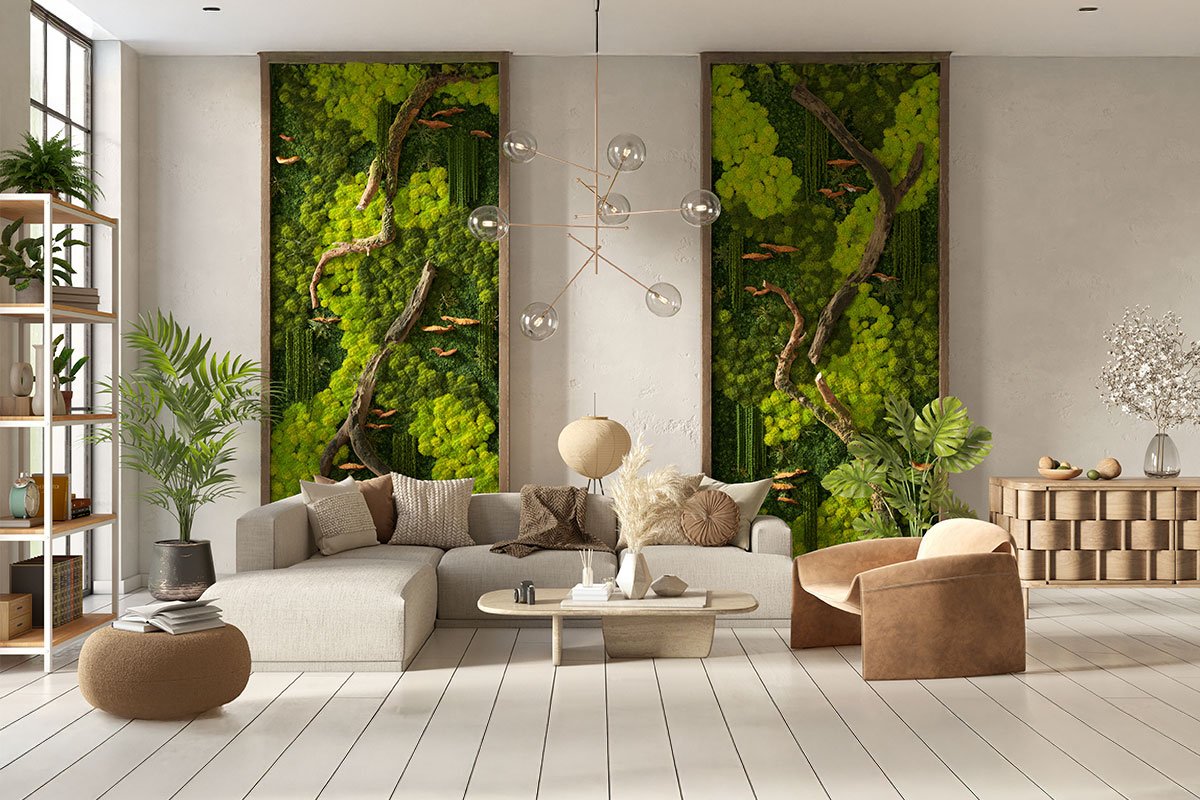
Plants are more than just decorative elements—they bring life, beauty, and numerous health benefits to homes, offices, and outdoor spaces. Whether placed indoors or outdoors, plants help improve air quality, reduce stress, enhance aesthetics, and create a refreshing environment. As people increasingly embrace sustainable living and biophilic design, incorporating plants into living and working spaces has become a popular trend.
Benefits of Indoor and Outdoor Plants
1. Improved Air Quality
Plants naturally absorb carbon dioxide and release oxygen, helping to purify the air. Many indoor plants can also filter harmful pollutants such as formaldehyde, benzene, and carbon monoxide, creating a healthier indoor environment.
2. Enhanced Aesthetic Appeal
Plants add color, texture, and natural beauty to any space. They can transform plain interiors and outdoor landscapes into vibrant, welcoming environments.
3. Reduced Stress and Improved Well-Being
Research has shown that being around greenery can lower stress levels, improve mood, and increase productivity. Plants create a calming atmosphere that promotes relaxation and mental well-being.
4. Environmental Benefits
Outdoor plants and trees help reduce heat, prevent soil erosion, support biodiversity, and contribute to a healthier ecosystem.
Popular Indoor Plants
Indoor plants are ideal for homes, apartments, and offices because they require less space and can thrive in controlled environments.
Snake Plant (Sansevieria)
The Snake Plant is one of the easiest indoor plants to maintain. It tolerates low light conditions and requires minimal watering.
Benefits:
- Improves indoor air quality
- Low maintenance
- Suitable for bedrooms and offices
Money Plant (Pothos)
Money Plants are popular due to their attractive trailing vines and ability to adapt to various lighting conditions.
Benefits:
- Easy to grow
- Air-purifying properties
- Enhances indoor aesthetics
Peace Lily
Peace Lilies are known for their elegant white flowers and excellent air-cleaning abilities.
Benefits:
- Removes toxins from the air
- Thrives in indirect sunlight
- Adds elegance to interiors
Spider Plant
Spider Plants are beginner-friendly and grow quickly.
Benefits:
- Air purification
- Pet-friendly
- Easy propagation
Areca Palm
The Areca Palm brings a tropical touch to interiors and acts as a natural humidifier.
Benefits:
- Improves humidity levels
- Creates a luxurious look
- Suitable for living rooms and offices
Best Locations for Indoor Plants
To ensure healthy growth, place indoor plants in suitable locations:
- Living Room: Areca Palm, Rubber Plant, Monstera
- Bedroom: Snake Plant, Peace Lily, Aloe Vera
- Kitchen: Herbs such as Basil, Mint, and Coriander
- Bathroom: Ferns and Bamboo Plants
- Office Spaces: ZZ Plant, Spider Plant, Money Plant
Proper placement helps plants receive the right amount of light and contributes to the overall interior design.
Popular Outdoor Plants
Outdoor plants can enhance gardens, balconies, terraces, and landscapes. They add beauty while supporting local biodiversity.
Rose Plant
Roses are among the most beloved flowering plants worldwide.
Benefits:
- Beautiful blooms
- Available in various colors
- Suitable for gardens and landscaping
Hibiscus
Hibiscus plants produce large, colorful flowers and thrive in warm climates.
Benefits:
- Attracts pollinators
- Continuous flowering
- Excellent for garden borders
Bougainvillea
Bougainvillea is known for its vibrant bracts and ability to withstand harsh weather conditions.
Benefits:
- Drought tolerant
- Fast-growing
- Ideal for fences and walls
Jasmine
Jasmine plants are valued for their fragrant flowers and elegant appearance.
Benefits:
- Pleasant fragrance
- Suitable for gardens and balconies
- Attracts beneficial insects
Marigold
Marigolds are easy-to-grow flowering plants commonly used in home gardens.
Benefits:
- Pest-repellent properties
- Bright colorful flowers
- Low maintenance
Outdoor Plants for Landscaping
Landscaping plants can significantly improve the appearance and functionality of outdoor spaces.
Popular landscaping choices include:
- Palm Trees
- Bamboo Plants
- Boxwood Shrubs
- Ixora
- Crotons
- Ficus Trees
These plants can be used to create privacy screens, garden pathways, focal points, and shaded areas.
Essential Plant Care Tips
Watering
Different plants have different watering requirements. Overwatering is one of the most common causes of plant problems.
General guidelines:
- Water indoor plants when the topsoil feels dry.
- Water outdoor plants early in the morning or evening.
- Ensure proper drainage to prevent root rot.
Sunlight Requirements
Plants need varying levels of sunlight:
- Low Light: Snake Plant, ZZ Plant
- Medium Light: Peace Lily, Money Plant
- Bright Light: Roses, Hibiscus, Bougainvillea
Understanding each plant’s sunlight needs is crucial for healthy growth.
Fertilization
Use organic compost or balanced fertilizers to provide essential nutrients. Fertilize regularly during the growing season for better growth and flowering.
Indoor and Outdoor Plants for Sustainable Living
Plants play an important role in sustainable living by improving environmental quality and reducing carbon dioxide levels. Growing herbs, vegetables, and flowering plants at home can contribute to a greener lifestyle while providing fresh produce and natural beauty.
Terrace gardens, balcony gardens, and vertical gardens are becoming increasingly popular among urban homeowners who want to maximize green space despite limited outdoor areas.
Conclusion
Indoor and outdoor plants offer countless benefits, from enhancing aesthetics and improving air quality to promoting relaxation and environmental sustainability. Whether you’re decorating your living room with a Snake Plant, creating a balcony garden filled with flowering plants, or designing a lush landscape around your home, plants can transform any space into a vibrant and refreshing sanctuary.